About africanaunty
This author has not yet filled in any details.So far africanaunty has created 252 blog entries.
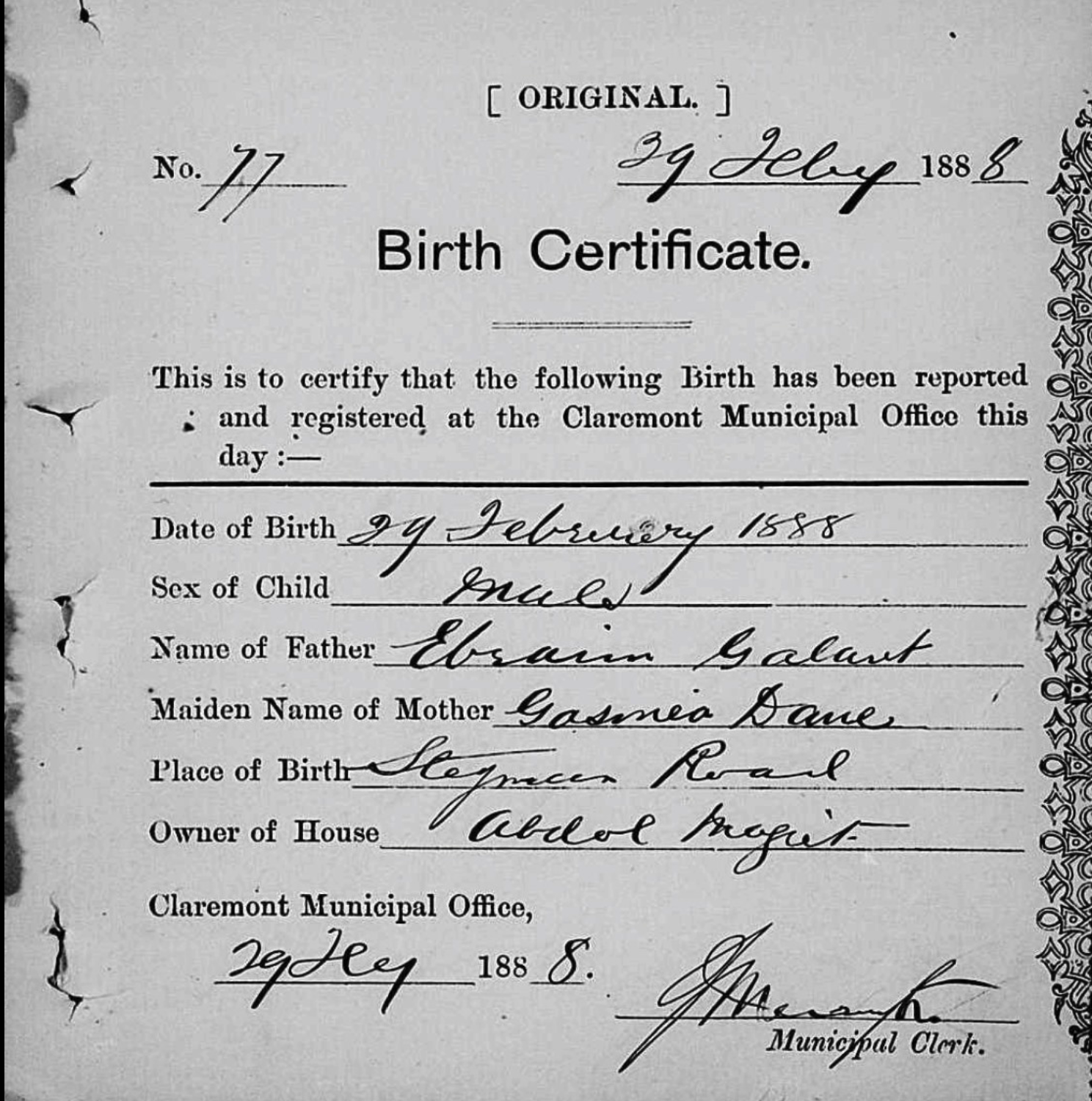
The Department of Home Affairs, in Pretoria, holds the most comprehensive compilation of personal resources for all South Africans. Access to the registers of births is closed for a period of a 100 years, to protect individuals, as stipulated by the office of origin. The general public may only view these records prior to 1908, and these are housed in the various archival repositories.
Can you marry your cousin?
Ascendants and descendants in the direct line - father and daughter, grandfather and granddaughter, and so forth - may not marry each other.
Collaterals are prohibited from intermarrying if either of them is related to their common ancestor in the first degree of descent.
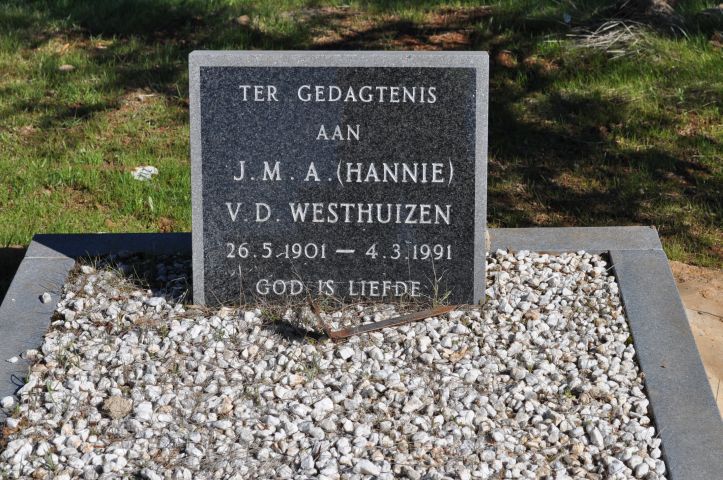
Historical Graves in South Africa
In the early days of the settlement at the Cape people of note were buried inside church buildings. Provision for a place of worship was at once made inside the Castle. Consequently the Rev. Joan (Johannes) van Arckel was laid to rest at that particular spot in the unfinished Castle in Jan. 1666. Only a fortnight earlier he himself had officiated at the laying of one of the four foundation stones of the new defence structure. A few months later the wife of Commander Zacharias Wagenaer was buried in the same ground; likewise Commander Pieter Hackius, who died on 30th November 1671.
Hidden Treasures in South Africa
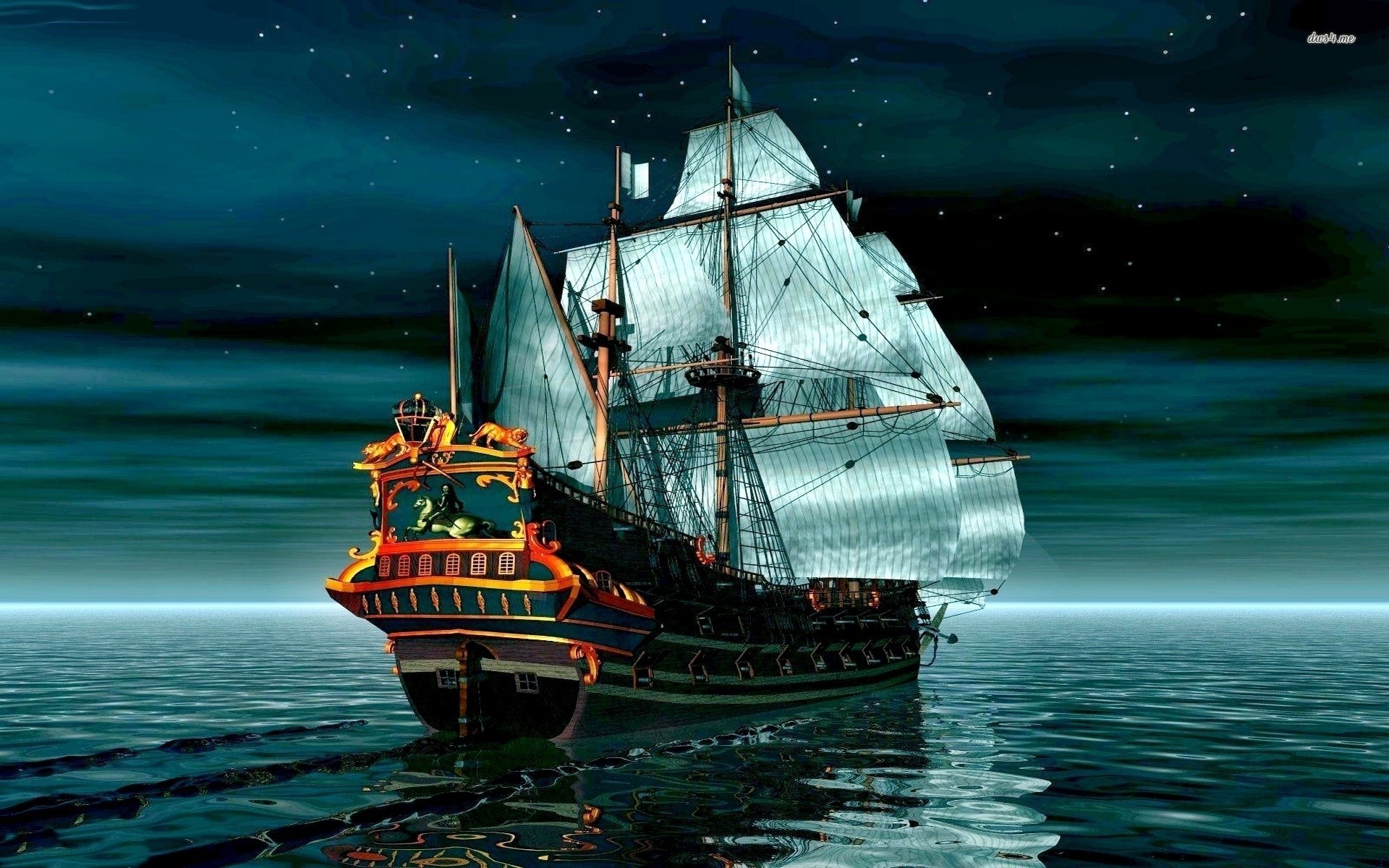
Many romantic tales are current of treasures lost and found in Southern Africa during the past five centuries. Some are based on fact and others on less reliable information. It is certain that notorious 16th- and 17th-century pirates careened their ships on islands off the coasts of East Africa and Madagascar, and stories about pirate hoards hidden by these desperadoes still circulate. Many ships carrying valuable cargoes, including treasure, have been wrecked off the coast of Southern and East Africa. Records reveal that from the middle of the 16th to the middle of the 17th century the Portuguese alone lost about 130 ships on the route to India, most of them on the treacherous African coast. High losses were also sustained by other maritime nations.
The Scots in South Africa
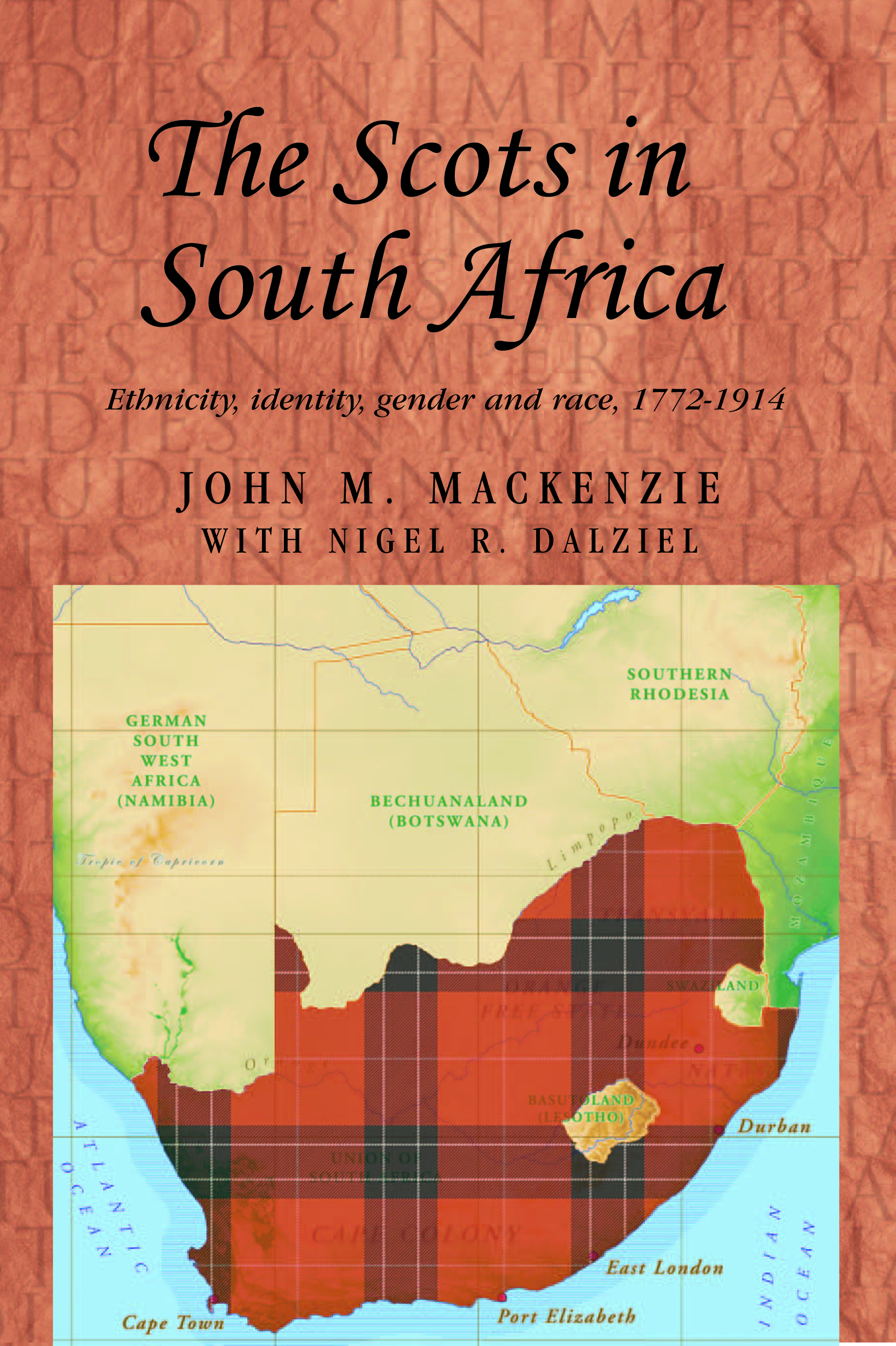
Authors John M. MacKenzie and Nigel R. Dalziel epitomises their version of the Rainbow Nation with the vast array of Scots men and women who made South Africa their home. Their bright and cheerful clan tartans are a clear and defined representation of one of the original colours of our Rainbow Nation.
Die Boerevrou Magazine
In 1918, Die Boerevrou, the first Afrikaans magazine for women, appeared in Pretoria. This illustrated monthly magazine for women was the first published magazine in Afrikaans. Die Boerevrouw (its title until June 1920) was the first women's magazine in Afrikaans and appeared in Pretoria from March 1919 under the editorship of the owner, Mrs. Mabel Malherbe (nee Rex), whose assistant editor from an early date was Mrs. M. E. Rothmann (M.E.R.), who published her first short stories in it.
Ancestors in Kilts
It is interesting to find that the first Scotsman in South Africa William Robbertson (sic) of Dundee former surgeon was stationed at the Castle around 1660 shortly after the arrival of Jan Van Riebeeck and that the Scots presence was found in local taverns as well as which often doubled up as brothels, of which one was called the Schotsche Tempel.
Mothers, Midwifery, Births & Babies
The first White baby was born at the Cape to the wife of the sick-comforter Willem Barentz Wijlant on 6 June 1652. At the time an epidemic of a serious type of dysentery affected many of the available helpers, but of the three women who were not ill, the wife of Adriaen de Jager, the first senior surgeon at the Cape, probably would have assisted at the delivery
A Century of Who’s Who – The Early Years
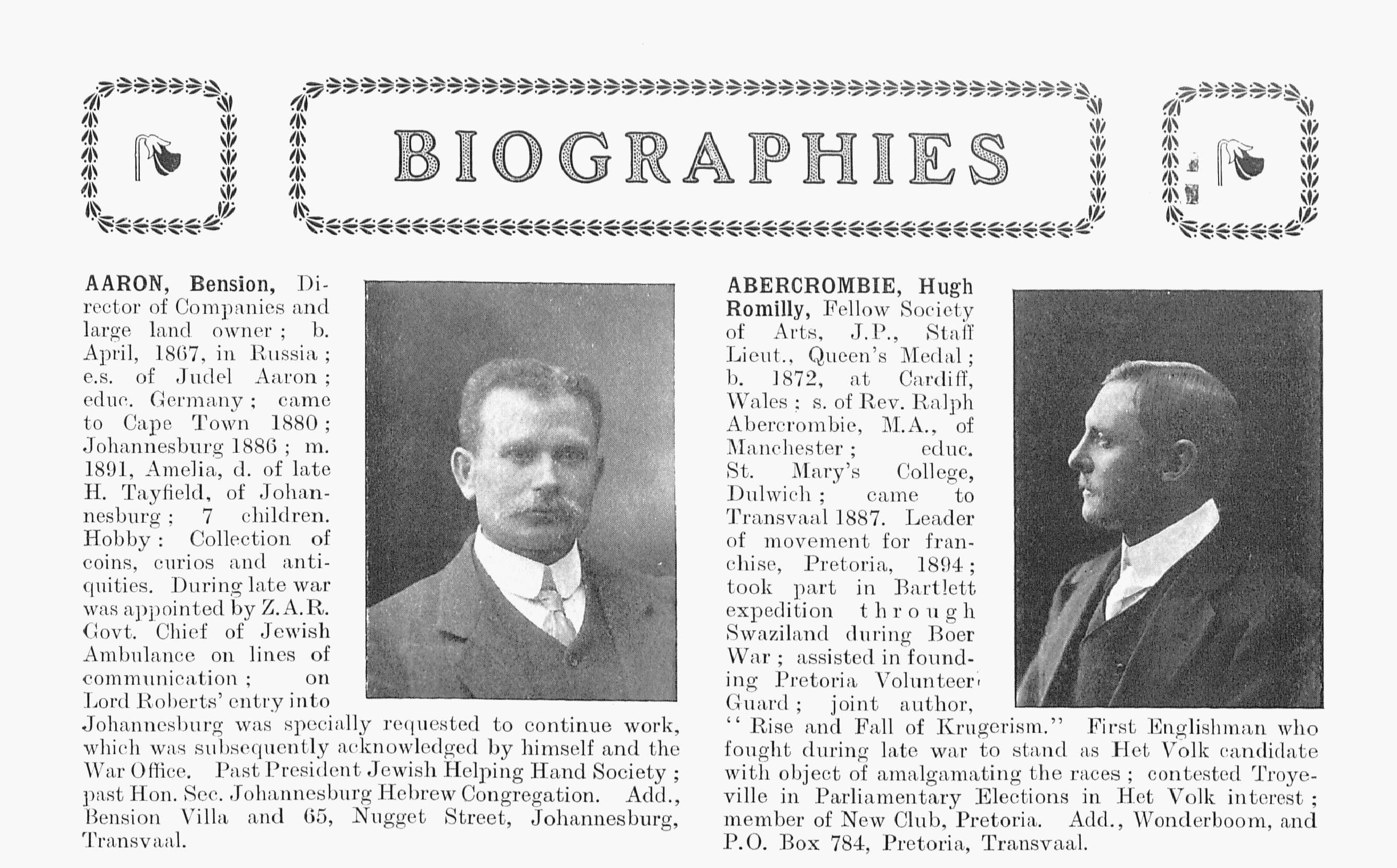
In 1907 the first South African Who's Who was published by The South African Who's Who Publishing Company in Durban. This amazing publishing company belonged to Ken Donaldson who was also the editor as well as the proprietor.
By 1909 the 3rd issue of Who's Who was proving to be an amazing publication yet also differed somewhat from other books of a similar nature whereby who's featured mainly aristocracy.
Freemasons in the Family?
Have you ever wondered why your Ancestors became Freemasons? Was it because of the idea of belonging to a secret society, or perhaps a night off from the nagging wife once a week? Men join and practice Freemasonry to make themselves better human beings, and the rituals, symbolism, and teachings of Freemasonry focus on morality and ethics.
Cab Proprietors
The coach evidently reached South Africa at an early stage, because Simon van der Stel travelled in one when he led
an expedition to Namaqualand in 1685 in search of copper. The Dutch coach of his time was a heavy four-wheeled vehicle with a
leather-covered and brass-studded body. The undercarriage was like that of the wagon, with four upright posts from which the body
was suspended on leather straps. A coachman's seat was fitted above the front wheels and a team of up to six horses drew the
vehicle, the leaders being controlled by a postilion who rode one of them.
Cemetery Project for School Children
A wonderful classroom project for teachers to explain to children the importance of cemeteries and not to be afraid of visiting them. Also why cemeteries have different sections as well as understanding the circumstances on reasons for deaths in a certain year - these are just a few things that are covered in this lesson.
The Emigrants Guide to South Africa
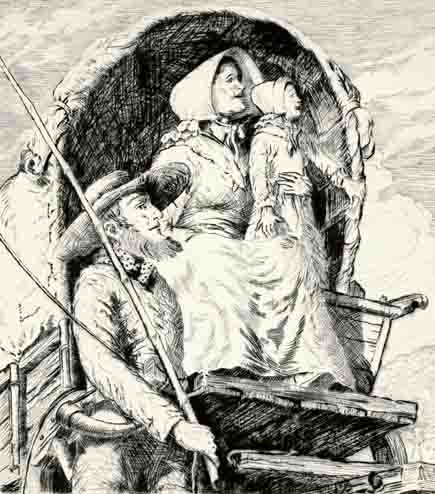
The Emigrants Guide to South Africa is a comprehensive guide published in 1880 specifically for British residents who would like to live in South Africa. It provides a list of the fleet of ships names. Details on what was available on board, how much luggage each person is allowed, no alcohol allowed by passengers to be taken on board - their is ample available, cost of fare, menu descriptions and basically a fascinating insight to what your ancestors life would have been on their long voyage to South Africa
Rondebosch Down the Years 1657 – 1957
Rondebosch, untamed as it was in 1657, those early settlers fell in love with its streams
and glades and mountain-slopes, and with the wonderful shelter it afforded from
the turbulent winds that harassed them in Cape Town. The progress of three
centuries has so far not dimmed its beauty, though it needs to be guarded
jealously in these "flat-ridden" days.
Immigration Records South Africa
18 December 1913 Immigration Records South Africa
Nieuwoudtville Cemetery
Transcripts of headstones for Nieuwoudtville Cemetery
Databases
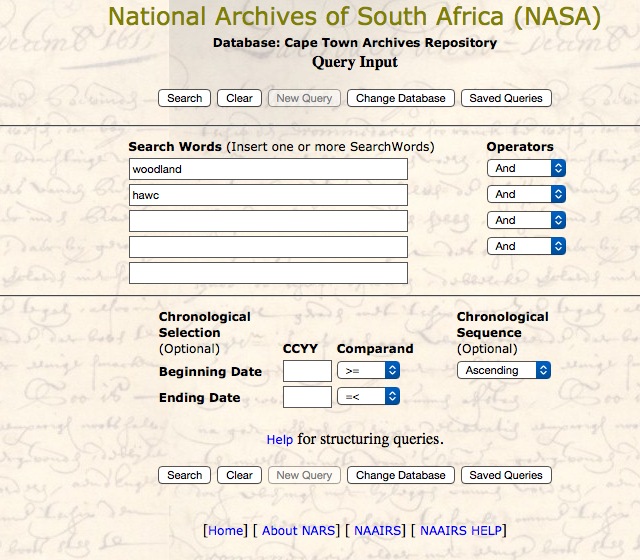
Transcribed and free genealogy records for South Africa. If you have any transcribed records in excel or csv format that you would like to make available on my website please contact me.
General Register of Native Pupils and Apprentices Lovedale Missionary Institution A – F
Extracted roll of learners from the Lovedale Register prepared by Dr. James Stewart - In the following pages we have accordingly endeavoured -according to the best of our information - to give the individual records of over 2000 natives of South Africa, and also of some hundreds of Europeans who have at different times come for instruction to this place - though the record Europeans is little more than a mere roll at present.